The Ascendant’s Vital Force
The instant of an individual’s first breath into life, the very first breath that marks their entry into existence is curved up on the eastern horizon of the horoscope, the Ascendant. This place is the junction between heaven and earth, the doorway through which the soul merges with flesh and bones. The Ascendant encapsulates the very essence of life, portraying the starting point of all the possibilities the rest of the horoscope promises. From this vital point of the horoscope, the celestial source of light, the Sun, ascends into the world to herald the dawn of a new array of possibilities.
Consider an individual’s birth horoscope as a building. The foundational pillars that stabilize the structure of that building are the four angles: the Ascendant, Midheaven (MC), Descendant, and Imum Coeli (IC). Among these, the Ascendant stands as the bedrock upon which the rest of the horoscope is constructed therefore its significance is vitally paramount. It’s the doorway through which the light of life comes into the matter. The above four angles of the horoscope are lines of high energy being places of significant accidental power. The further a planet moves away from these points, the less power it has to manifest its nature into the world.
But moving in which direction?
The Cadent Houses
Following the houses in an anti-clockwise direction, we notice a pattern where an angular house is followed by a succedent house, followed by a cadent house. This sequence implies a gradual decrease in the power of the houses. From the dominant thrones of the horoscope, the angular houses, we finally get to the weakest, the cadent ones. However, it’s important to note that this sequence doesn’t align with the inherent structural hierarchy of the houses, where angular houses hold a central position. Due to the diurnal motion, succedent houses rise to the angular houses, while cadent houses, as their name suggest, fall away from the angles.
The cadent houses signify places of notable weakness for a planet as they offer limited opportunity for the planet to manifest its nature. Moving into a cadent house involves the falling from a seat of power where one’s influence once thrived. Now, having lost their power, are far away from the next throne in life, the next angular house. But there is an exception.
Let The Sunshine In #not
In traditional cosmology, light holds great importance. It enters through the Ascendant and spreads across the other houses depending on their aspectual relationship with the Ascendant. Among the cadent houses, the 3rd and the 9th, positioned harmoniously in relation to the Ascendant, have a less weakening effect compared to the rest of the cadent houses. The 6th and 12th houses, lacking a direct connection to the Ascendant’s light, are seen as houses associated with descrease of vitality and thus, places of extreme weakness.
The same goes with the succendant 8th house (the 2nd house is an exception because of its beneficial, supportive position in relation to the Ascendant) which also lacks of an aspectual connection to the Ascendant. The 6th, the 8th, and the 12th house are the three malefic houses of the horoscope.
The 6th House
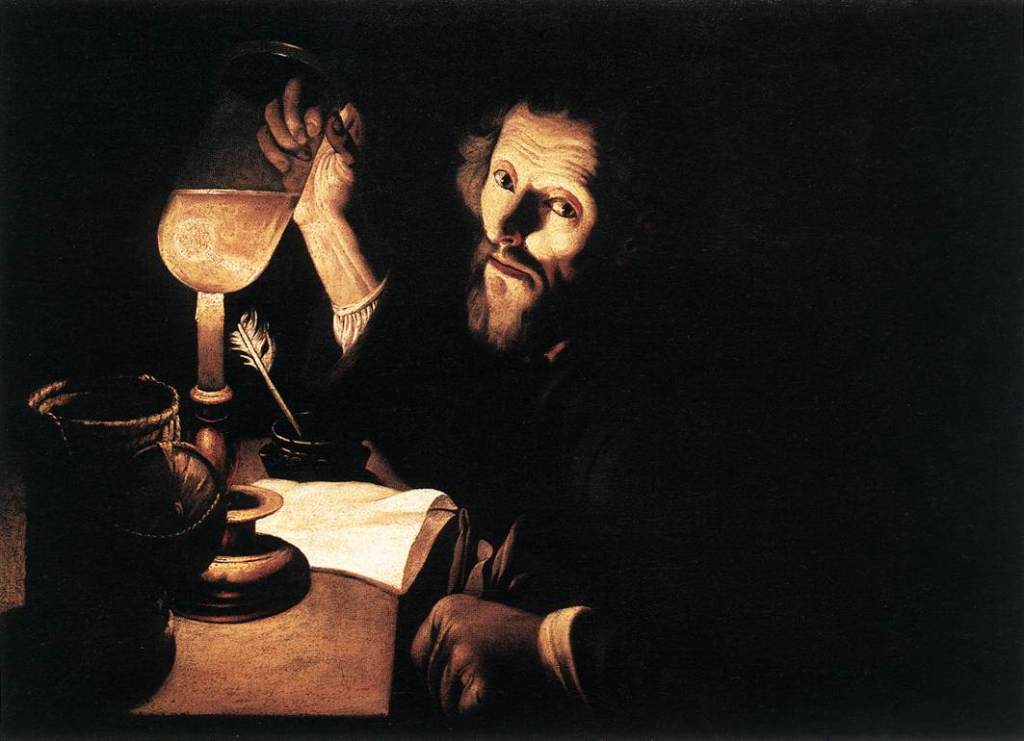
The 6th house is the first of the malefic houses, portraying the harsh adversities life mercilessly thrusts upon us. These stumbling blocks can manifest in the form of illness, accidents, and misery. This house is the house of pain and struggle.
Our modern cousins have softened the traditionally grim edges of the 6th house, approaching it again through the lens of health and the means to conquer it. Highlighting the inherent pain and struggles associated with the 6th house emphasizes the necessity of attributing issues of health and vitality to their rightful place: the 1st house and Ascendant.
In addition, from a distorted point of logic, they unnecessarily draw a line between work and professionalism, framing the former in the 6th house matters and bringing the latter into the 10th house. As a place of laboul and turmoil, the 6th house only pertains to ‘work’ in symbolizing those who labor under our authority—our subordinates. There is no much room of development when placed in this house.
As a place of sorrow, the 6th house encompasses all places where suffering is present along with its consequential evidence: blood. This includes sites such as oparative rooms and hospitals, disaster areas and slaughter houses.
It’s clear from the previous discussion why Mars, traditionally considered a malefic planet, finds its Joy in the 6th house. On the other hand, Mars can give the means through which we can survive the misery of the 6th house, symbolizing the courage and the necessary weapons we wield in battling the afflictions of this house.
The 8th House
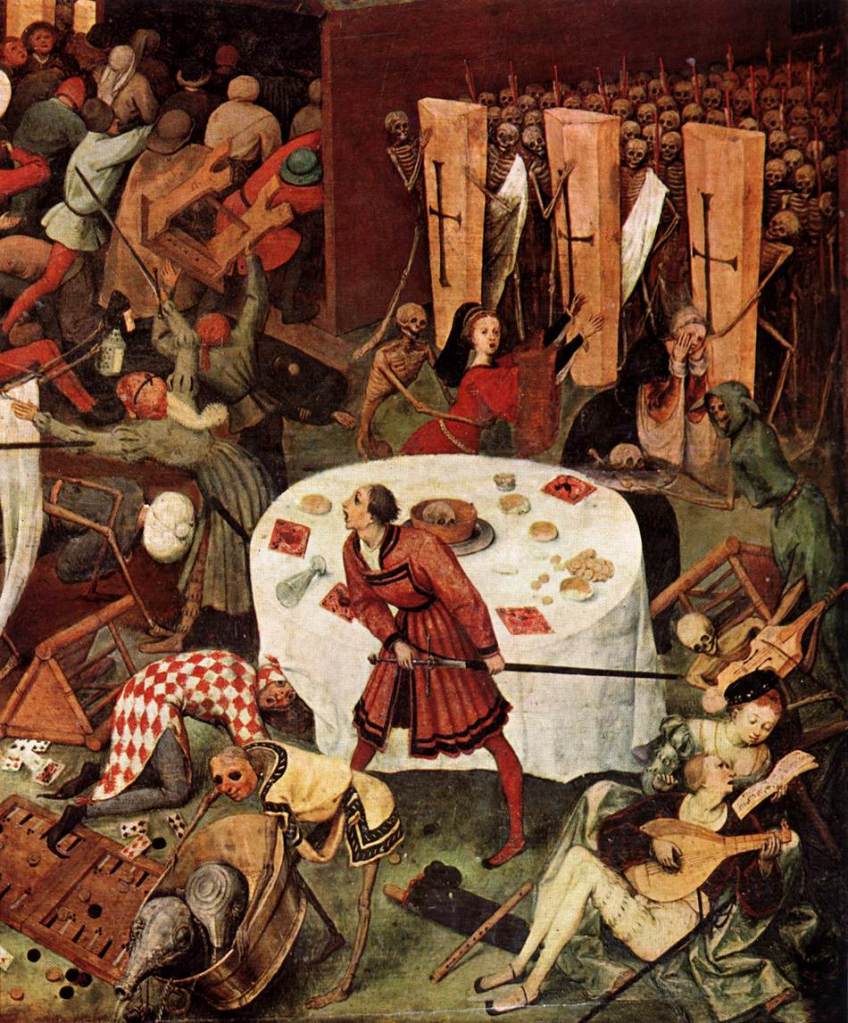
The 8th house is the second of the malefic houses in astrology, and its significance is very straightforward; it’s the place of the horoscope where the curtain of life falls, marking the event of death.
Following the Chaldean Order of the planets, the 8th house begins the cycle again with Saturn, the traditional ruler of the exit from life and darkness. No matter how much our modern cousins have once again tried to give a positive tone to the themes enclosed in this house, giving it the message of transformation and sex (la petite mort), the ancient ancestors of astrology made it clear: this house is the Gate to Hell. Death is not a transformative experience but the end of everything. The 8th house represents the absence of any life form, making it unable to facilitate creative activities like sexual intercourse, an act associated strictly with the 5th house of pleasure and creations.
The 8th house indicates themes of loss and decay, representing not just death on the physical level but also any other level concerning the seven traditional planets and their roles as accidental rulers. For instance, if a planet is associated with one’s profession and is closely affected by the ruler of the 8th house of death, it could suggest a death in one’s career.
Because the 8th house has no aspectual access to the light of the Ascendant, it is a very dark house for someone to be in. The darkness is reflected as fear and anxiety, or as William Lilly states, “an anguish of mind.” This is the house of fear but not of phobias.
The 12th House
Modern practitioners of astrological art portray the 12th house with intriguing traits. They charmingly approach the house, giving associations with matters of high consciousness and psychic abilities and hinting at an aspect of mystical spirituality. Ironically, our modern cousins flawlessly serve the true purpose of the 12th house, which is to stray us away.
The 12th house is the most malefic and unfortunate in the horoscope, indicating extreme weakness and vulnerability. While the 9th house describes our means to the path to God, our ancestors defined the 12th house as Malus Daemon, meaning Bad Spirit, illustrating that the 12th house is the house of the Devil or the house of our sins that prohibits our connection with the divine Truth as presented from the 9th house.
Sin is the mean to our self-undoing. The 12th house is the doorway to the paths we take toward self-sabotage: indulging in seemingly harmless activities such as enjoying a chocolate bar that can derail our efforts to stick to a diet we’ve been diligently following. On the other hand, it could involve more subconscious or complicated mechanisms that result in self-harm, such as staying in an abusive relationship. What the previous descriptions of typically 12th house behaviors have in common is falling into the temptation.
Temptation is a venusian theme and Venus is the planet that relates to this house according to the Chaldean order of planets.
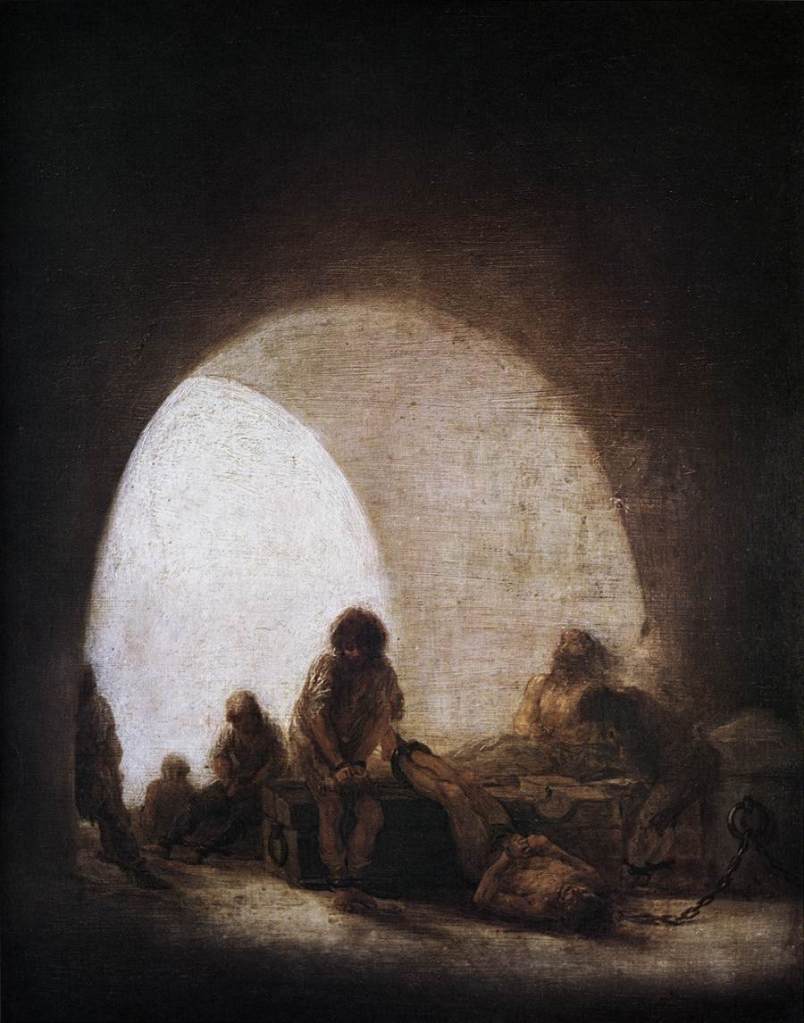
The passage through the 12th house brings us close to temptations that keep us in bondage, limiting our freedom. Thus, the 12th house is associated with any kind of restrictions, physical or otherwise. In this way it symbolizes prisons of all kinds. While hospitals and monasteries are commonly associated with the 12th house due to their perceived constraints on freedom, they actually find their astrological homes elsewhere. Hospitals are places to treat pain and alleviate suffering (6th house) while monasteries are places of prayer (9th house).
The 12th house, due to its alignment with the 1st house, symbolizes secrecy and all that remains concealed from the perspective of the Ascendant. Unlike the 7th house, which represents open enemies, the 12th house includes the hidden ones, including those involved in occult practices. The 12th house is the house Saturn has its Joy. Although Saturn naturally represents the chains that keep us locked up in our personal prison and suffering, Saturn also offers the knowledge to escape from that prison.
 The Classical Astrology