In traditional astrology, the outer planets—Uranus, Neptune, and Pluto—hold a special but non-essential role. Unlike in modern astrology, these planets are not treated as true planets within the framework of traditional practice; they don’t rule zodiac signs, nor are they associated with signatures. The structure of our world which is based on the energy of the seven traditional planets (from the Moon to Saturn) does not include the outer planets. Instead, these outer planets can be approached similarly to fixed stars. This means their significance comes into play primarily through conjunctions or oppositions with key points in a chart, such as a cusp, a planet, or a Part. Other aspects, like trines or squares involving Uranus, Neptune, and Pluto, are considered irrelevant in traditional astrology. Their symbolism derives from the myths of Roman deities, corresponding to their Greek counterparts, offering a distinct layer of meaning to their presence in a chart.
URANUS
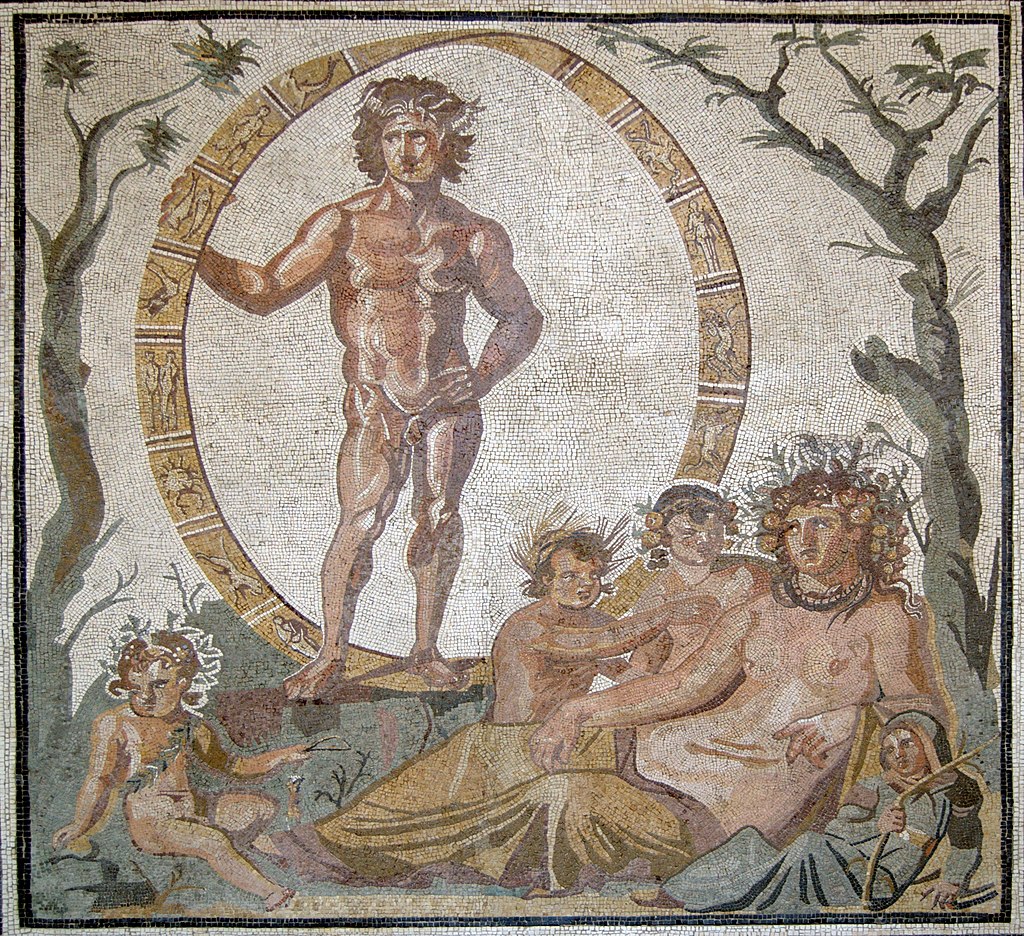
Uranus was one of the first mythological gods. It wasn’t a god but a personification, a being, or a force of nature representing heaven, the air, and the sky. In essence, Uranus was perceived mostly as a male part, completing the other half of Gaia, the female personification of the earth. According to ancient mythological drama, Uranus was the father of the Titans, which led to his overthrown from heaven at the dawn of time. One of the Titans and his children, Cronus (Saturn), castrated Uranus resulting in the birth of different creatures. Probably the most known one is the birth of the beautiful Aphrodite (Venus), lifted from the foams that bubbled from Uranus’ genitals cast by Cronus into the sea.
Symbolism: Remember when you were a kid, lying down on the grass, with your hands at the back of your head relaxed, looking at the sky, and dreaming? At that moment, all your wishes, longings, and aspirations could fit into the vastness of the sky. The blue sky seemed to echo all your dreams back at you, insinuating that everything you can think of can happen. The god of the sky is the one that holds the planets; therefore, it shelters all the potential and possibilities. Everything you can dream of can happen. Everything is possible, and the only limit is the sky. But according to the myth, Uranus didn’t last much on his throne. The father of structure, time, and reality, Saturn, castrated Uranus, removing all the potential offered. Saturn presents all the harsh materialistic limitations and restrictions that prevent us from touching the sky. It is not always possible to reach it. It is ok if you can’t. Acceptance and self-awareness is the key.
NEPTUNE
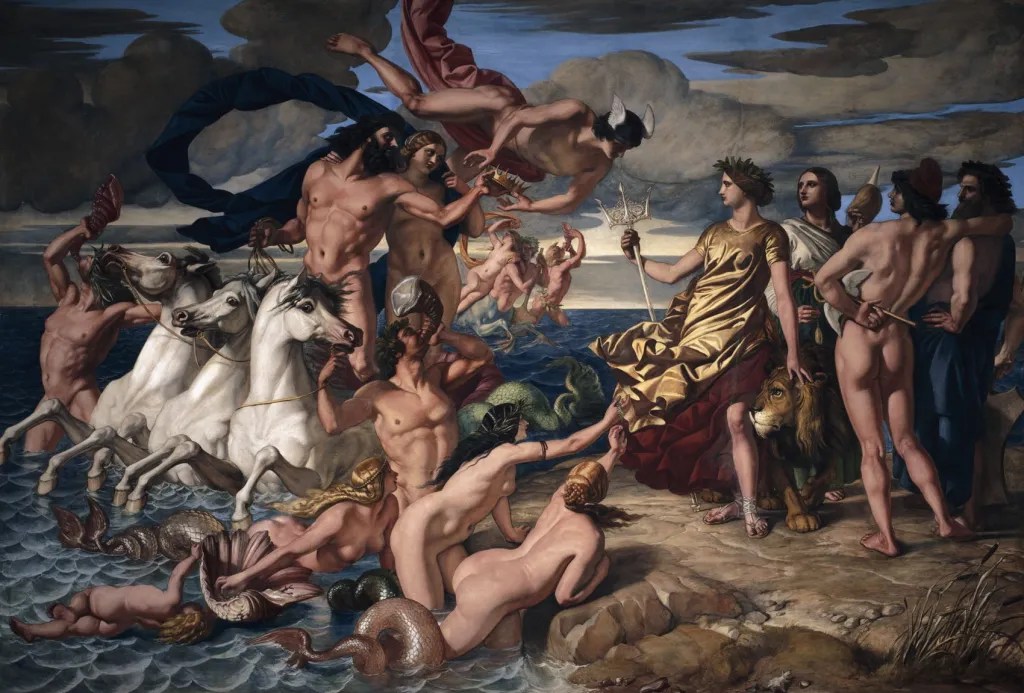
Neptune is the name that ancient Romans gave to the god of seas and earthquakes, relating to the Greek god of oceans, Poseidon. According to mythology, after the down of Saturn, his three sons, Zeus, Poseidon, and Hades, divided the earth’s realm into three kingdoms, each ruled by one godly brother. Poseidon was raised to the throne of the sea world. Poseidon was not the kind of god who sat quietly with his trident watching sea life as it passed by. Instead, he had a reputation for possessing a violent temperament and lustful urges. His bad temper was immensely reflected in ocean storms and turbulent waters devouring large ships and controlling all sea monsters to attack when necessary. His furious range can also be felt by the people of the land, as Poseidon could shake the earth bringing down dynasties and kingdoms. His presence in the polytheistic ancient Greek and Roman society is significant, often depicted rising from the sea on a chariot pulled by sea horses.
Symbolism: Far from the earthy lands where the ground is bound to limits lies the realm of the water element, the element related to desire. The waters of desire rise from the depths of the soul’s ocean, overflowing and flooding the materialistic land of the people, causing chaos. No compass can show the right way on Neptune’s tumultuous waters; even the most seaworthy ships are carried away, eventually sinking and being forever lost into the abyss of desire. In Neptune’s presence, the physical world is dissolved, the boundaries between the different worlds collapse, and the truth is wrecked.
PLUTO
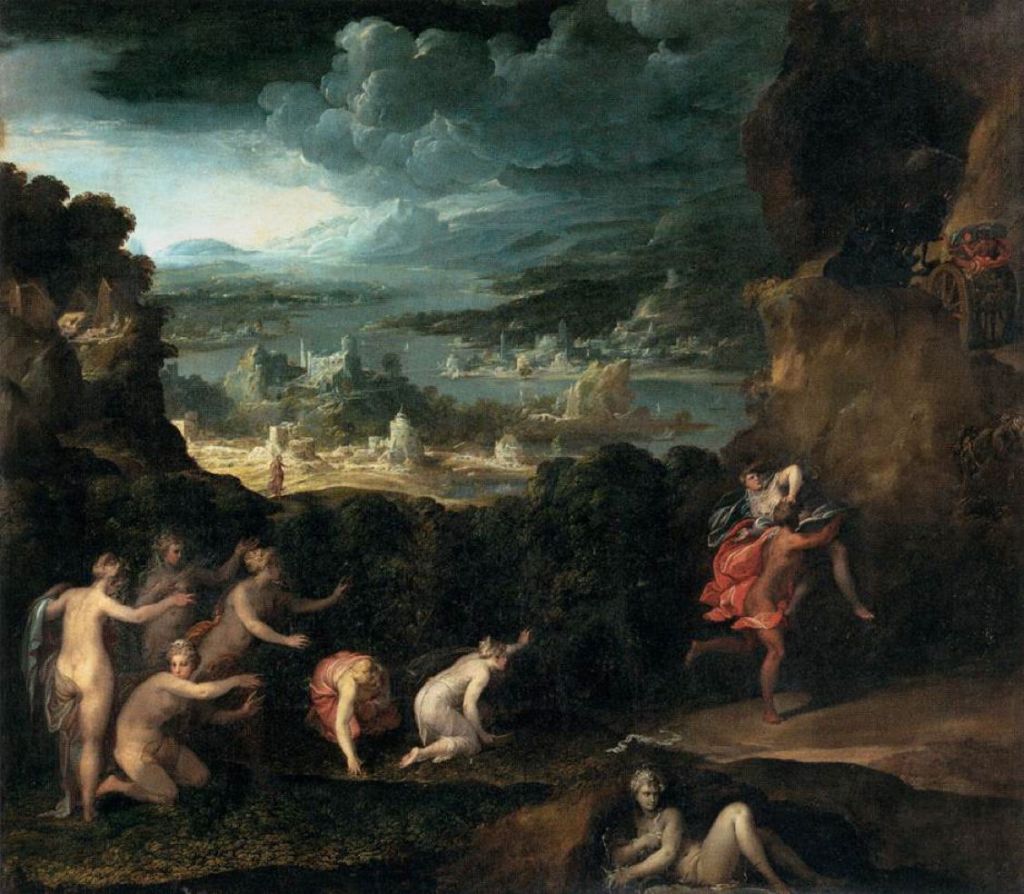
While Poseidon ruled the kingdom of the sea, the other brother, Hades, was the god of the underground, the place of the dead. Hades was the counterpart to the mythological Roman god Pluto. Hades was a fearful figure among the Olympian gods, and how couldn’t he be, as he was the one who controlled the fate and life expectancy of all living creatures. Living isolated in his gloomy and dreadful kingdom of darkness, the resting place of all departed souls, he had less to do with the earthy realm of the people or the divine kingdom of the gods. In the Greek language, the word Pluto refers to wealth. Probably this comes from the fact that Pluto/Hades was the ruler of the subterranean realm, where gems, precious stones, and metals can be found. According to the myth, Venus felt pity for Pluto’s lonely nature, and she ordered Cupid to shoot him with one of his love arrows so he could fall in love with the first woman she would lay his eyes on. That woman was Persephone. Full of desire, Hades emerged from a crack in the earth to the field where Persephone picked flowers and violently took her down to the underworld to make her his bride. This mythological scenery, known as ‘The Rape of Persephone,’ describes her taking against her will.
Symbolism: The world of the underground is not a cozy place to hang around, and its ruler’s presence in the horoscope implies malignancy and malevolence of some sort. Under Pluto’s influence, things become dreadful and remain hidden in the darkness. Pluto is the unwanted inflicted force. Whatever it touches, it deteriorates and eventually kills it (or marries it). It is the underground, everything that is buried, caged and dead.
 The Classical Astrology